
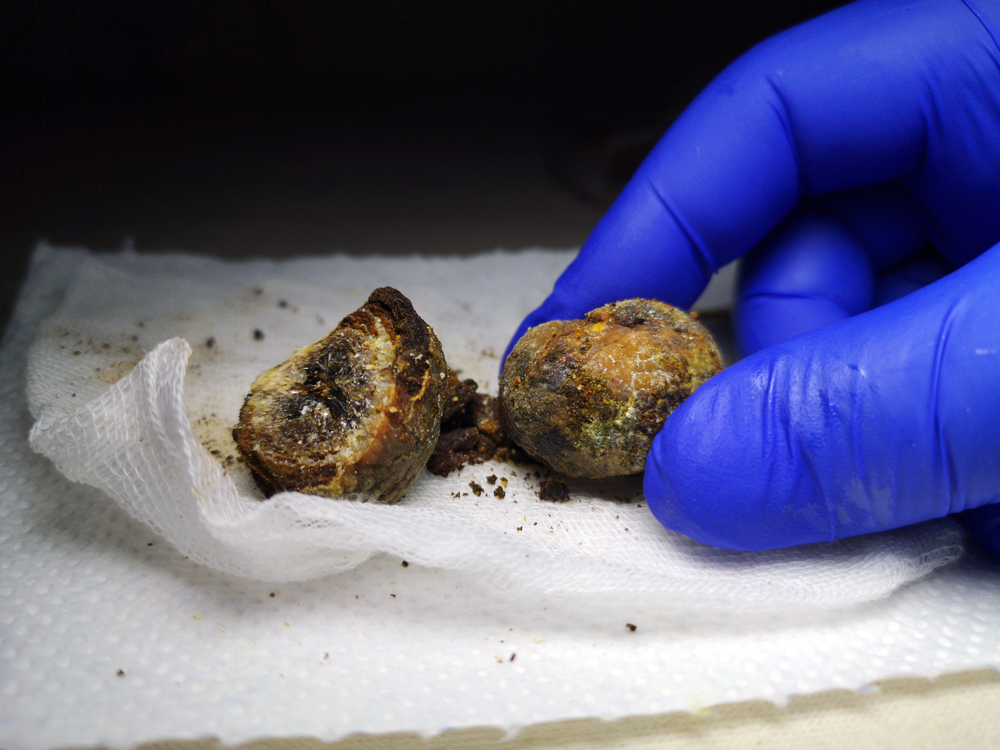
Gallstones are a common digestive health concern, but many people may not realize they have them until symptoms develop. At Gastroenterology Associates of the Piedmont (GAP), we know that abdominal pain, nausea, and other digestive changes can be concerning—especially when you aren’t sure what’s causing them. Understanding gallstone symptoms, what causes gallstones, and when it’s time to seek medical care can help you make informed decisions about your digestive health.
If you’re experiencing persistent or concerning digestive symptoms, we’re here to help you find answers. Call us at 336-448-2427 to request an appointment with our team.
What Are Gallstones?
Gallstones are hardened deposits that develop in the gallbladder, a small organ located beneath the liver. The gallbladder stores bile, a digestive fluid produced by the liver that helps the body digest fats.
Gallstones can vary in size, and some people may develop only one while others have several. In many cases, gallstones don’t cause noticeable problems. These are sometimes referred to as “silent” gallstones.
Problems can arise when a gallstone blocks the normal flow of bile. When this happens, patients may experience pain and other digestive symptoms that require medical evaluation.
What Causes Gallstones?
Patients often ask us what causes gallstones. Gallstones can form when the substances that make up bile become imbalanced or when the gallbladder does not empty as it should.
The two primary types are cholesterol gallstones and pigment gallstones. Cholesterol stones can form when bile contains more cholesterol than it can dissolve, while pigment stones are associated with elevated levels of bilirubin.
Gallstone formation can be influenced by several factors, which is why determining the cause of abdominal discomfort isn’t always as simple as identifying one particular food or lifestyle habit.
Common Risk Factors
Although anyone can develop gallstones, certain circumstances may increase the likelihood. Common gallstone risk factors can include:
- Being female
- Increasing age
- Being overweight or obese
- Losing weight rapidly
- Pregnancy
- Having a family history of gallstones
- Certain dietary patterns
- Diabetes
- Certain underlying health conditions or medications
Having one or more risk factors doesn’t mean you will necessarily develop gallstones. However, understanding your individual risk factors can be helpful, particularly if you begin experiencing digestive symptoms.
What Should You Watch For?
Some people have gallstones without ever experiencing symptoms. When a stone causes a blockage, however, gallstone symptoms may appear suddenly.
Common signs of gallstones may include:
- Sudden or increasing pain in the upper right portion of the abdomen
- Pain in the upper middle abdomen
- Pain that spreads toward the back or right shoulder
- Nausea or vomiting
- Digestive discomfort or indigestion
Gallbladder pain may occur after eating, particularly following a large or fatty meal, and can range from uncomfortable to severe.
Because abdominal pain and digestive discomfort can have many possible causes, we encourage patients not to assume that their symptoms are caused by gallstones. A proper evaluation can help us determine what’s happening and recommend appropriate next steps.
When Can Gallstones Become More Serious?
Gallstones can sometimes lead to complications when they block ducts within the digestive system. Depending on where a blockage occurs, complications may involve the gallbladder, bile ducts, liver, or pancreas.
Symptoms that may indicate a more serious problem include severe or persistent abdominal pain, fever or chills, or yellowing of the skin or eyes, known as jaundice.
These symptoms shouldn’t be ignored. If you experience severe pain or other potentially serious symptoms, seek prompt medical attention.
How Are Gallstones Diagnosed?
When patients come to us with abdominal pain or other digestive concerns, we begin by learning more about their symptoms and medical history. Where the pain occurs, when it happens, how long it lasts, and whether certain foods appear to trigger it can all provide useful information.
Depending on the circumstances, diagnostic testing may be recommended. Imaging studies and blood tests can help determine whether gallstones are present and whether there are signs of inflammation, blockage, or another digestive health problem.
Our goal is not simply to identify a symptom but to understand what’s causing it so we can help determine an appropriate path forward.
What Are the Treatment Options?
Gallstones treatment depends on several factors, including whether the stones are causing symptoms or complications.
Gallstones that aren’t causing symptoms may not always require treatment. When gallstones cause recurring pain, blockages, inflammation, or other problems, additional treatment may be necessary. In some cases, this can include referral for surgical removal of the gallbladder.
We evaluate each patient’s situation individually and help determine the appropriate next steps based on their symptoms, test results, medical history, and overall health.
When Should You See a Doctor for Gallstones?
Knowing when to see a doctor for gallstones is important because recurring abdominal pain shouldn’t simply become something you learn to live with.
We recommend discussing your symptoms with a healthcare provider if you’re experiencing recurring upper abdominal pain, nausea, vomiting, indigestion, or other unexplained digestive changes. Evaluation is particularly important when symptoms are persistent, becoming more frequent, or interfering with everyday activities.
Severe abdominal pain, fever, chills, or jaundice can indicate a more urgent problem and should receive prompt medical attention.
Even if gallstones aren’t ultimately responsible, identifying the source of recurring digestive symptoms can help you receive the care you need.
Gallstone and GI Care for Kernersville and Greensboro-Area Patients
Our Kernersville location provides comprehensive digestive care for patients experiencing gallstones and other GI concerns. If you’re looking for a gastroenterologist in Kernersville NC, our team is here to help you understand your symptoms and determine the appropriate next steps.
We also welcome patients from Greensboro and surrounding communities. While we don’t have a Greensboro office, our Kernersville location is just a short drive away, providing convenient access to experienced, patient-centered GI care.
Why Choose Gastroenterology Associates of the Piedmont, P.A.?
We believe digestive healthcare should be safe, timely, personal, and centered around the individual patient. GAP was established in 2013 by bringing together two of the longest-standing gastroenterology practices in the Piedmont Triad, giving our practice deep roots in the communities we serve.
Here are eight reasons patients choose us for their digestive healthcare:
- Deep roots in the Piedmont Triad. Our practice was created by bringing together two long-established gastroenterology practices serving this region.
- We’re independently owned and operated by our physicians. This structure allows us to maintain a strong focus on the needs of our patients and our local communities.
- We emphasize patient-centered care. We focus on providing safe, timely care tailored to each patient’s individual digestive health needs.
- We provide comprehensive GI care. Our team evaluates, diagnoses, treats, and manages a wide range of gastrointestinal conditions.
- We offer convenient locations. Our locations in Winston-Salem, Kernersville, and Clemmons help make specialized digestive healthcare accessible to patients throughout the Piedmont Triad.
- Our endoscopy centers offer an alternative to the hospital setting. We strive to provide a more personal, convenient, and comfortable experience for patients undergoing procedures.
- We prioritize timely access to care. We understand how frustrating it can be to live with unexplained digestive symptoms, so timely, patient-centered care remains an important part of our approach.
- We focus on prevention as well as ongoing digestive health. From colon cancer prevention and screening to evaluating gastrointestinal symptoms and managing chronic GI conditions, we’re here for patients through many stages of their digestive healthcare.
Don’t Let Gallstones or Digestive Symptoms Go Unchecked
Gallstones don’t always cause symptoms, but when they do, recurring abdominal pain and digestive discomfort deserve attention. Understanding the warning signs and seeking an evaluation when symptoms develop can help determine whether your gallbladder or another digestive condition is responsible.
At Gastroenterology Associates of the Piedmont, P.A., we provide comprehensive GI care for patients throughout the Piedmont Triad, including those in Kernersville, Winston-Salem, Clemmons, Greensboro, and surrounding communities. If unexplained digestive symptoms are affecting your health or quality of life, we’re ready to help you find answers and determine the appropriate next steps.
Call us at 336-448-2427 to request an appointment with our team and take the next step toward better digestive health.
For more digestive health tips and information, follow us on Facebook and Instagram.