
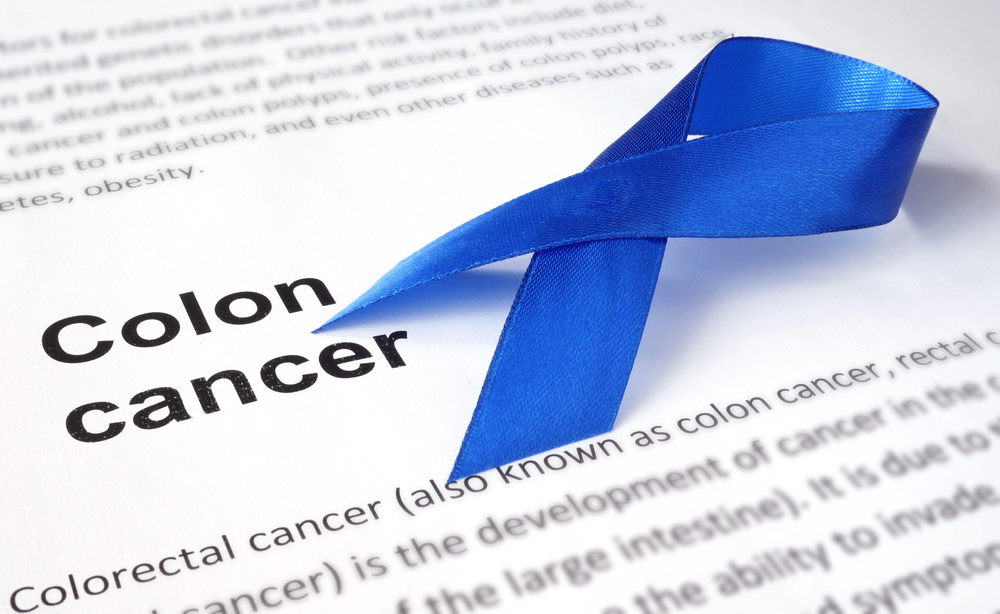
A family history of colon cancer is important information that can help us determine when and how often you may need to be screened. While everyone should understand the importance of colorectal cancer prevention, having a close relative who has been diagnosed may affect your individual risk and screening recommendations. At Gastroenterology Associates of the Piedmont (GAP), we help our patients understand their risk factors and take proactive steps toward protecting their digestive health.
If colon or colorectal cancer runs in your family, we encourage you to talk with us about what that may mean for your screening schedule. Call us at 336-448-2427 to discuss your colon cancer screening needs and determine your next steps.
What Does a Family History of Colon Cancer Mean?
When we discuss a family history of colorectal cancer, we look at more than whether someone in your extended family has had the disease. Details about which relatives were diagnosed and when they were diagnosed can help provide a clearer picture of your potential risk.
It is especially important to tell us about diagnoses among close relatives, such as your parents, siblings, or children. The number of family members affected and their ages at diagnosis may also influence screening recommendations.
Before your appointment, consider gathering as much information about your family’s medical history as possible. Even if you don’t know every detail, sharing what you do know can help us better assess your colon cancer risk factors.
How Does Family History Affect Your Colon Cancer Risk?
Having a relative with colon or colorectal cancer does not mean that you will develop the disease. However, family history can be an important factor when evaluating your overall risk.
Your risk assessment may take into consideration:
- Whether a close relative has had colorectal cancer
- How old that relative was when diagnosed
- Whether multiple family members have been diagnosed
- Your own history of colorectal polyps
- Other personal risk factors or medical history
Because everyone’s situation is different, we encourage patients with a family history of colon cancer to discuss their circumstances with a healthcare provider rather than relying on general screening recommendations alone.
When to Get a Colonoscopy If Colon Cancer Runs in Your Family
A common question we hear is when to get a colonoscopy when a parent, sibling, or another family member has had colorectal cancer. The answer can vary based on your individual risk.
People at average risk follow standard colorectal cancer screening recommendations, while some people with an increased risk may need to begin screening earlier or undergo screenings more frequently. The age at which your relative was diagnosed, how closely you are related, and your personal health history can all play a role.
We can review these factors with you and recommend an appropriate screening plan based on your circumstances.
Why Is Colonoscopy Screening So Important?
Colonoscopy screening is an important tool for detecting changes in the colon, including polyps that may have the potential to become cancerous. During a colonoscopy, we can examine the inside of the colon and identify abnormalities that may require additional attention.
One of the major benefits of a colonoscopy is that certain polyps can be removed during the procedure. Finding and removing precancerous polyps can play an important role in colon cancer prevention.
Screening is also important because you can feel perfectly healthy and still benefit from it. Waiting for symptoms to appear is not a substitute for following the colorectal cancer screening schedule recommended for your individual level of risk.
Colon Cancer Prevention Starts With Knowing Your Risk
Understanding your risk gives you an opportunity to be proactive about your health. Start by talking with family members about their medical histories, particularly diagnoses of colon or colorectal cancer and colorectal polyps.
If a new cancer diagnosis occurs within your family, make sure your healthcare providers know. That new information may affect your recommended screening schedule.
Beyond appropriate screening, maintaining healthy habits and keeping up with routine medical care can support your overall health. Most importantly, don’t assume that a lack of symptoms means you don’t need screening. Your personal and family history can help determine what is right for you.
Why Choose Gastroenterology Associates of the Piedmont, P.A. (GAP)?
At GAP, colon cancer prevention and screening are among our primary areas of focus. Our practice was formed by bringing together two of the Piedmont Triad’s longest-standing gastroenterology practices, and today we remain independently owned and operated by our physicians.
We focus on safe, timely, patient-centered care while helping our patients better understand their digestive health. When you choose GAP, you can expect:
- Experienced gastroenterology care focused on your individual needs
- Guidance based on your personal and family medical history
- Colonoscopy and other gastrointestinal services in a patient-centered setting
- Endoscopy centers that offer a personal, convenient, and comfortable alternative to a typical hospital procedure experience
Whether you are due for routine screening or are concerned because colorectal cancer runs in your family, we’re here to help you understand your options and determine an appropriate next step.
Know Your Family History and Take the Next Step
A family history of colon cancer is something worth discussing with your healthcare provider, even if you feel healthy and have no digestive symptoms. Understanding your family’s health history can help us evaluate your individual risk and determine whether you may need to begin screening earlier or follow a different screening schedule.
At Gastroenterology Associates of the Piedmont, P.A., we’re committed to helping our patients take a proactive approach to colorectal health. If you have questions about your family history of colon cancer, colon cancer screening, or when you should schedule a colonoscopy, call GAP at 336-448-2427 to discuss your screening options.
Don’t forget to follow us on Facebook and Instagram for the latest digestive news and tips.