
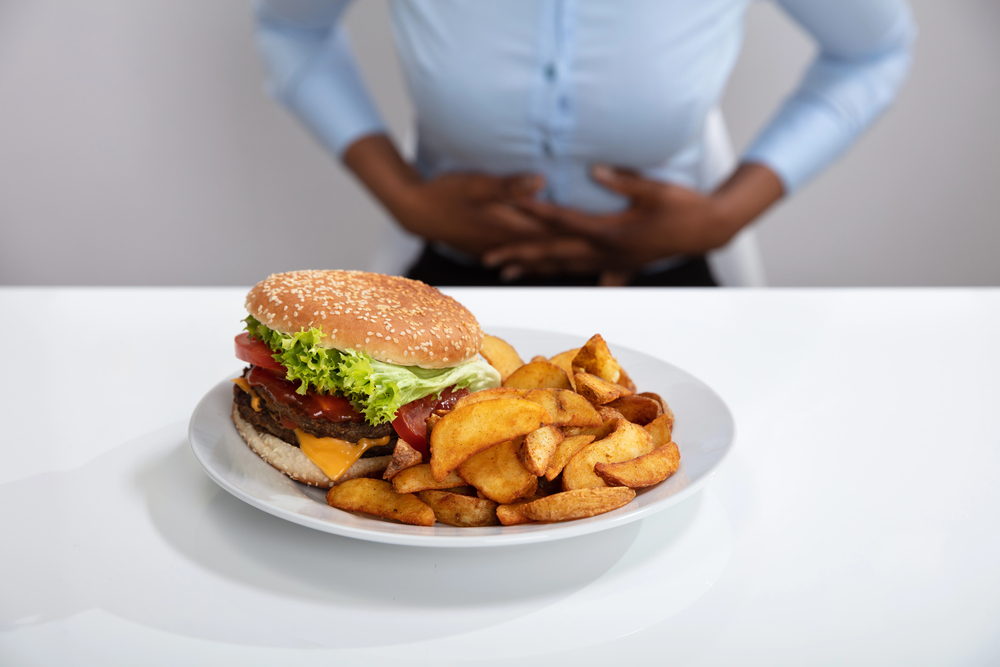
Experiencing stomach pain after eating can turn an enjoyable meal into an uncomfortable experience. While occasional digestive discomfort may result from eating too quickly, consuming large meals, or enjoying certain foods, persistent or recurring pain could indicate an underlying gastrointestinal condition. At Gastroenterology Associates of the Piedmont (GAP), we understand how frustrating digestive symptoms can be, especially when you’re unsure what’s causing them. Our team is dedicated to helping patients identify potential digestive concerns and find appropriate treatment options. If you’re experiencing frequent stomach pain or discomfort after meals, call us at 336-448-2427 to schedule an appointment.
Is Stomach Pain After Eating Normal?
Occasional mild discomfort after eating isn’t necessarily a cause for concern. Your digestive system works hard to break down food, absorb nutrients, and move waste through your body. Sometimes, eating habits or certain foods can temporarily disrupt this process.
However, frequent abdominal pain after meals shouldn’t be ignored. The timing, location, intensity, and duration of your symptoms can provide valuable information about potential digestive problems.
Common Types of Discomfort After Meals
Digestive discomfort can present itself in several ways, including:
- Bloating and fullness: Feeling unusually full, swollen, or uncomfortable after eating.
- Burning sensations: Experiencing warmth or burning in the upper abdomen or chest.
- Stomach cramps after eating: Feeling tightening, spasms, or intermittent discomfort in the abdomen.
- Sharp or persistent pain: Experiencing localized or ongoing discomfort that interferes with daily activities.
While occasional symptoms may resolve on their own, recurring discomfort deserves further evaluation.
Common Causes of Stomach Pain After Eating
There are several possible causes of stomach pain after eating, ranging from temporary digestive irritation to conditions that require medical attention. Understanding these possibilities can help you recognize when it’s time to seek specialized care.
Indigestion (Dyspepsia)
Indigestion is a common cause of upper abdominal discomfort after meals. Symptoms may include burning, bloating, nausea, and feeling full sooner than expected.
Eating large meals, consuming certain foods, or eating too quickly may contribute to indigestion. However, recurring symptoms can sometimes indicate an underlying digestive condition.
Acid Reflux and GERD
Acid reflux occurs when stomach contents flow backward into the esophagus, potentially causing heartburn, regurgitation, and discomfort after eating.
When reflux becomes frequent or persistent, it may indicate gastroesophageal reflux disease (GERD). Large meals, certain foods, and lying down shortly after eating can worsen symptoms for some individuals.
Food Intolerances and Sensitivities
Certain foods can trigger digestive problems after eating, particularly when your body has difficulty digesting specific ingredients.
For example, lactose intolerance can cause bloating, gas, diarrhea, and abdominal discomfort after consuming dairy products. Other dietary triggers may produce similar symptoms.
Identifying patterns between food consumption and digestive symptoms can help determine whether dietary changes or additional testing may be beneficial.
Peptic Ulcers and Gastritis
Peptic ulcers are sores that develop in the lining of the stomach or upper small intestine. Gastritis involves inflammation of the stomach lining.
Both conditions may cause upper abdominal discomfort, nausea, or burning sensations. Potential causes include Helicobacter pylori (H. pylori) infection and prolonged use of certain medications, including nonsteroidal anti-inflammatory drugs (NSAIDs).
Gallbladder Problems
Gallbladder conditions, including gallstones, can cause significant discomfort after meals.
Some individuals experience stomach pain after eating fatty foods because the gallbladder contracts to release bile during digestion. When gallstones obstruct bile flow, pain may develop in the upper right abdomen and sometimes radiate toward the back or right shoulder.
Gallbladder-related pain may also be accompanied by nausea or vomiting.
Irritable Bowel Syndrome (IBS)
Irritable bowel syndrome is a gastrointestinal condition associated with recurring abdominal pain and changes in bowel habits.
Symptoms may include bloating, diarrhea, constipation, or a combination of both. Certain foods and eating patterns can trigger symptoms in some individuals.
Because IBS symptoms can overlap with other digestive disorders, a medical evaluation can help determine the most appropriate approach to managing discomfort.
What Does the Location of Your Stomach Pain Mean?
The location of abdominal discomfort can offer clues about possible digestive conditions. However, pain location alone cannot determine the underlying cause.
Upper Abdominal Pain After Eating
Upper abdominal pain after eating may be associated with indigestion, gastritis, peptic ulcers, acid reflux, or gallbladder conditions.
The specific location and accompanying symptoms can help our gastroenterology team determine which evaluations may be appropriate.
Lower Abdominal Pain After Eating
Discomfort in the lower abdomen may be related to intestinal conditions such as IBS, constipation, or food intolerances.
Symptoms involving changes in bowel movements, bloating, or cramping can provide additional information about potential causes.
Pain on the Right or Left Side of Your Abdomen
Pain concentrated on one side of the abdomen may involve different digestive organs.
For example, upper right abdominal pain may be associated with gallbladder conditions, while discomfort on the left side may have several possible intestinal or other causes.
Persistent, severe, or worsening localized pain should be evaluated by a healthcare professional.
When Should You Be Concerned About Stomach Pain After Eating?
Occasional digestive discomfort may not require medical treatment, but certain symptoms suggest that further evaluation is necessary.
Knowing when to see a gastroenterologist can help you avoid prolonged discomfort and identify conditions that may benefit from treatment.
Consider scheduling an appointment if you experience:
- Frequent or recurring abdominal pain after meals
- Persistent nausea or repeated vomiting
- Unexplained weight loss
- Ongoing diarrhea or constipation
- Difficulty swallowing
- Repeated discomfort after consuming fatty foods
- Unusual changes in appetite
- Feeling full after eating only a small amount
- Digestive symptoms that interfere with everyday activities
Warning Signs That Require Immediate Medical Attention
Some symptoms may indicate a medical emergency rather than a routine digestive concern.
Seek immediate medical attention if you experience sudden or severe abdominal pain, vomiting blood, black or tarry stools, fainting, or chest pain. Severe abdominal pain accompanied by fever, persistent vomiting, or yellowing of the skin or eyes also requires urgent evaluation.
How Gastroenterologists Diagnose Digestive Problems After Eating
When digestive discomfort becomes persistent, identifying the underlying cause is an important step toward effective treatment.
At Gastroenterology Associates of the Piedmont, we evaluate patients’ symptoms, medical histories, and individual risk factors to help determine appropriate diagnostic options.
Medical History and Symptom Evaluation
We begin by learning more about your digestive concerns.
During an evaluation, we may ask about:
- When your symptoms started
- How frequently discomfort occurs
- Whether certain foods trigger symptoms
- The location and severity of your pain
- Changes in bowel habits
- Current medications and medical conditions
- Personal and family medical history
Keeping a food and symptom journal before your appointment may help identify patterns worth discussing.
Diagnostic Tests and Procedures
Depending on your symptoms, we may recommend additional testing to better understand what’s causing your discomfort.
Potential diagnostic options include:
- Blood tests: Help identify certain abnormalities, including signs of inflammation or other medical concerns.
- Stool tests: May help detect infections, inflammation, or other digestive conditions.
- Upper endoscopy (EGD): Allows us to examine the lining of the esophagus, stomach, and upper small intestine.
- H. pylori testing: Helps identify a bacterial infection associated with certain ulcers and stomach conditions.
- Abdominal imaging: May be recommended to evaluate organs such as the gallbladder, liver, or pancreas.
- Specialized gastrointestinal testing: May be appropriate when symptoms suggest specific digestive disorders.
Not every patient requires extensive testing. We focus on recommending evaluations that are appropriate for each individual’s symptoms and medical history.
Tips for Preventing Mild Stomach Discomfort After Meals
Certain eating habits and lifestyle adjustments may help reduce occasional digestive discomfort.
While these strategies cannot treat every gastrointestinal condition, they may improve comfort for individuals experiencing mild symptoms.
Consider incorporating these habits into your daily routine:
- Eat smaller meals. Large meals can contribute to bloating, indigestion, and reflux.
- Slow down while eating. Taking smaller bites and chewing thoroughly may reduce swallowed air and discomfort.
- Identify potential food triggers. Pay attention to foods that consistently cause digestive symptoms.
- Limit foods that worsen your symptoms. Spicy, fatty, or acidic foods may aggravate certain digestive conditions.
- Avoid lying down immediately after eating. Remaining upright for two to three hours after meals may help reduce reflux symptoms.
- Stay hydrated. Drinking adequate fluids supports normal digestive function.
- Keep a food and symptom journal. Recording meals and symptoms can help identify patterns to discuss with your healthcare provider.
If symptoms continue despite lifestyle adjustments, it’s important to seek medical evaluation rather than repeatedly relying on over-the-counter treatments.
Why Choose Gastroenterology Associates of the Piedmont (GAP)?
When digestive symptoms interfere with your comfort and daily activities, finding the right medical team matters.
At Gastroenterology Associates of the Piedmont, we focus on providing specialized gastrointestinal care and helping patients better understand their digestive health.
Specialized Gastroenterology Care
Our practice focuses on evaluating and managing conditions affecting the digestive system.
We understand that similar symptoms can have very different causes, which is why we emphasize thorough evaluations and individualized care.
Whether you’re experiencing recurring abdominal discomfort, acid reflux, or changes in bowel habits, we work to identify potential causes and recommend appropriate next steps.
Comprehensive Diagnostic Services
Understanding the source of digestive discomfort often requires more than evaluating symptoms alone.
Our gastroenterology services include diagnostic procedures such as upper endoscopy and other specialized evaluations that may help identify gastrointestinal conditions.
By considering your medical history, symptoms, and diagnostic findings, we can develop recommendations based on your individual needs.
Personalized Treatment and Patient Education
We believe patients should understand their digestive conditions and the reasoning behind their treatment recommendations.
Depending on your diagnosis, treatment may involve dietary adjustments, medications, additional testing, or other medical interventions.
Our goal is to help patients make informed decisions about their digestive health while receiving attentive, individualized care.
Frequently Asked Questions About Stomach Pain After Eating
We understand that digestive symptoms can raise many questions, especially when discomfort happens repeatedly. Below are answers to several common concerns. If you have additional questions or need help evaluating persistent digestive symptoms, call Gastroenterology Associates of the Piedmont at 336-448-2427.
Why Does My Stomach Hurt Immediately After Eating?
Pain immediately after eating may be related to indigestion, acid reflux, food intolerances, or other digestive conditions. The location, severity, and frequency of discomfort can help determine whether further evaluation is necessary.
Why Do I Get Stomach Cramps After Eating?
Stomach cramps after meals may result from intestinal contractions, gas, food intolerances, IBS, or other gastrointestinal conditions. Frequent or worsening cramps should be discussed with a healthcare professional.
Can Gallbladder Problems Cause Stomach Pain After Eating?
Yes. Gallstones and certain gallbladder conditions can cause upper abdominal pain after meals, particularly after eating fatty foods. Symptoms may include nausea and discomfort that radiates toward the back or right shoulder.
How Do I Know If My Stomach Pain Is Serious?
Persistent, recurring, or worsening abdominal pain should be evaluated, especially when accompanied by unexplained weight loss, vomiting, or changes in bowel habits. Sudden severe pain, vomiting blood, black tarry stools, or other emergency warning signs require immediate medical attention.
What Tests Can a Gastroenterologist Perform for Stomach Pain?
Depending on your symptoms, a gastroenterologist may recommend blood tests, stool tests, upper endoscopy, H. pylori testing, imaging studies, or other specialized evaluations to investigate potential causes.
Get Answers About Stomach Pain After Eating With GAP
Occasional digestive discomfort can happen to anyone, but persistent stomach pain after eating shouldn’t become something you simply learn to live with. Whether your symptoms are related to indigestion, acid reflux, food intolerances, or another gastrointestinal condition, understanding the underlying cause is an important step toward finding relief.
At Gastroenterology Associates of the Piedmont, we’re committed to helping patients better understand their digestive symptoms and explore appropriate diagnostic and treatment options. If you’re experiencing recurring discomfort after meals, call us at 336-448-2427 to schedule an appointment and take the next step toward better digestive health.
If you are looking for more digestive health tips, then follow us on Facebook and Instagram.